Growing up without a phone meant finding your own way to see the world. You had to seek things out. You had to be resourceful. You had to take risks — and sometimes get caught.
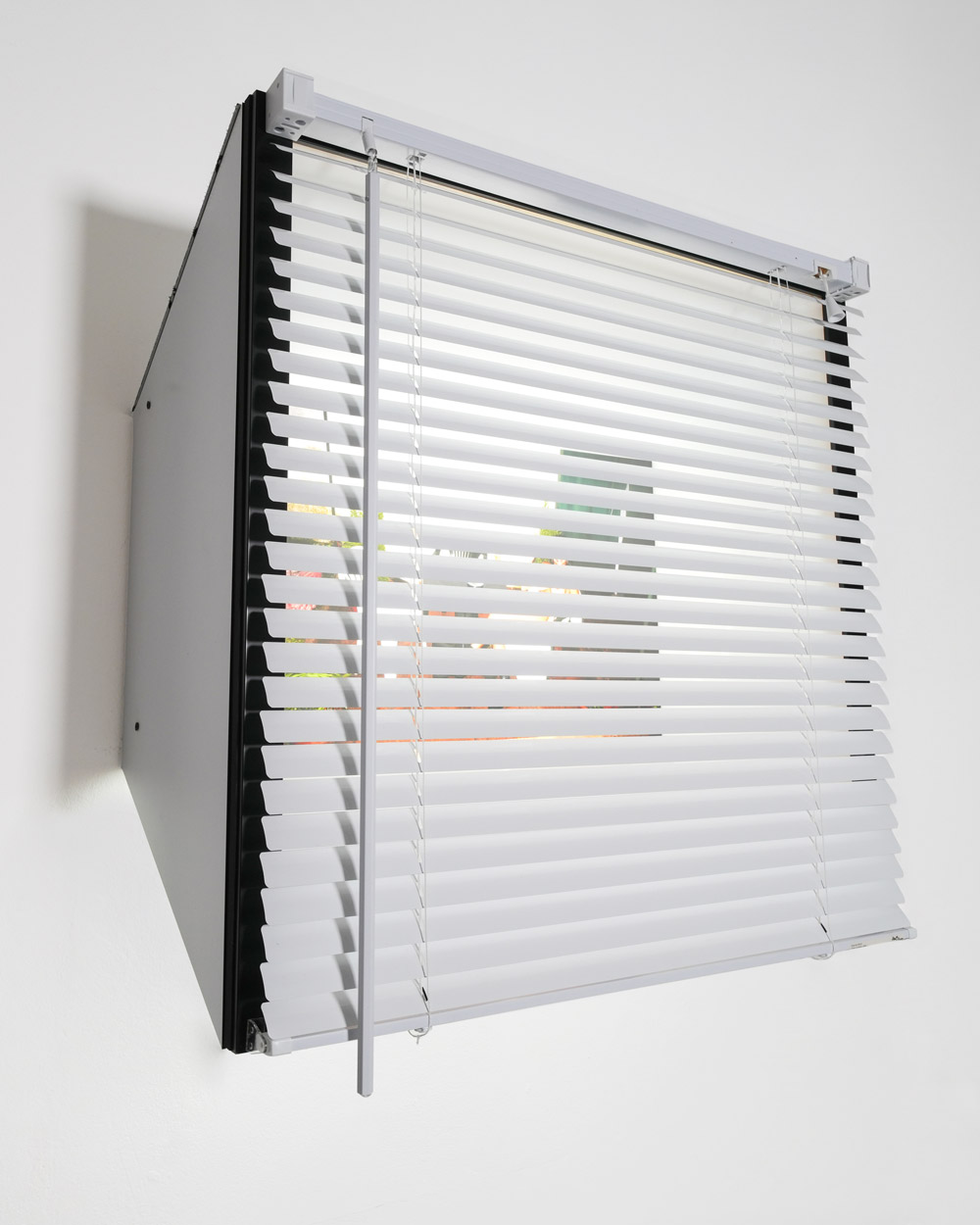
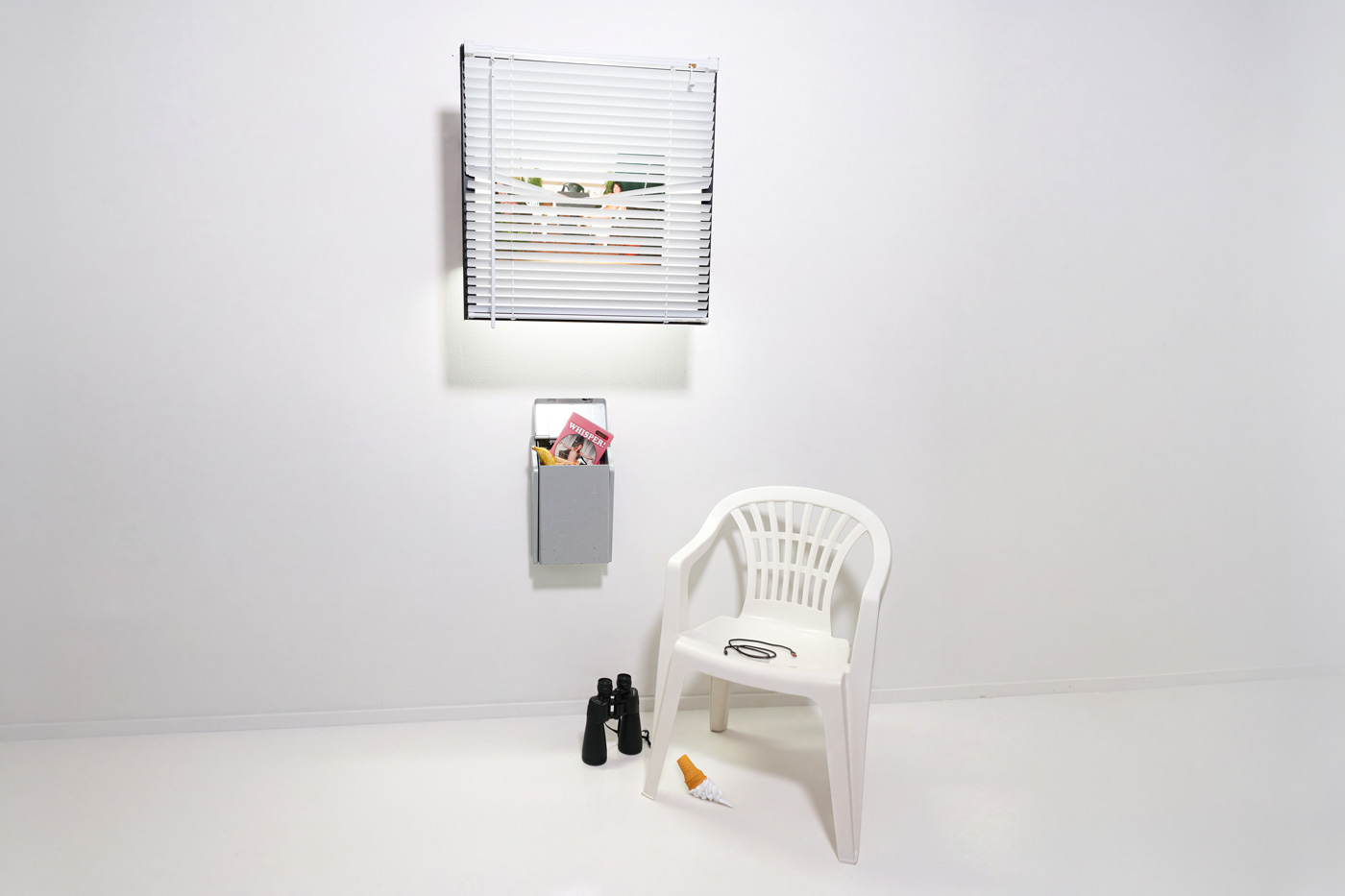
Through the gap in the blinds. Through a steamed-up bathroom window. Through a peephole in a door. These were the instruments of a pre-algorithmic curiosity. Physical, embodied, slightly transgressive. The thrill was inseparable from the effort.
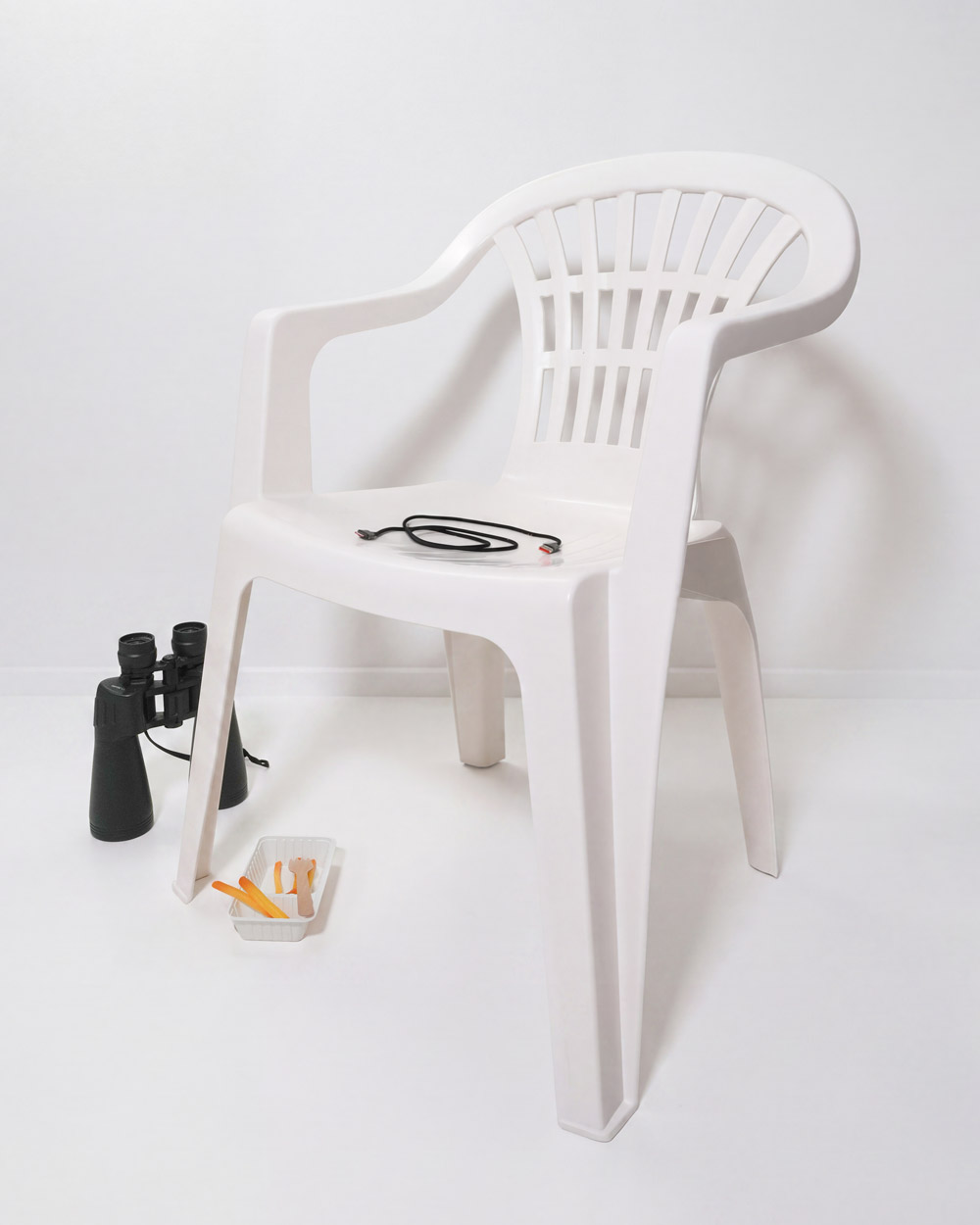
That impulse, to look, to wonder, to find things out for yourself, is what Innate Curiosity is about. Not nostalgia for a simpler time, but a question about what happens to curiosity when it is no longer necessary. When the algorithm anticipates your interests before you have formed them. When discovery is served rather than earned.
The works in this series invite the viewer back into that earlier mode. Objects that ask you to lean in, to reach, to look for yourself. The discomfort is part of it. So is the reward.
Dekker was born in 1980, the last generation to grow up entirely without the internet. He approaches this not as a technophobe but as a witness. What do we lose when we stop looking for ourselves?